ICE agents are trained in CPR. They didn’t use it on Renee Macklin Good
Federal immigration agents waited three minutes to call 911 after one of their officers shot Renee Macklin Good in Minneapolis. After a brief medical assessment, they left her bleeding in her car. Agents didn’t give her CPR and turned away the help of a man who said he was a doctor.
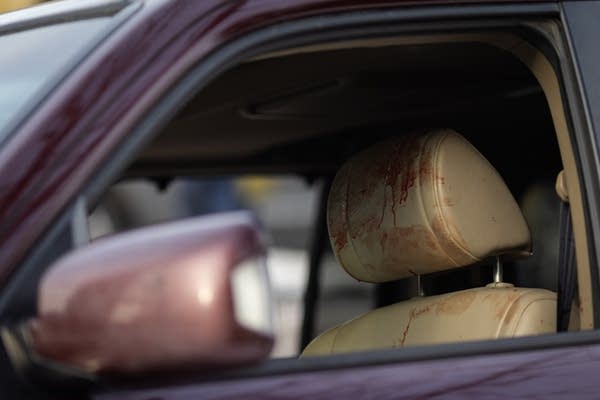
An analysis of videos, 911 calls, fire department records and dispatch logs conducted by MPR News and APM Reports raises questions about whether the federal agency that mortally wounded Renee Macklin Good did enough to try to save her life.
It took more than 10 minutes after Macklin Good was shot by a federal immigration officer before someone gave her CPR. Immigration and Customs Enforcement agents are trained in basic CPR, a series of lifesaving techniques that can keep blood flowing to vital organs, but they did not perform it on Macklin Good after she was shot by ICE officer Jonathan Ross on Jan. 7.
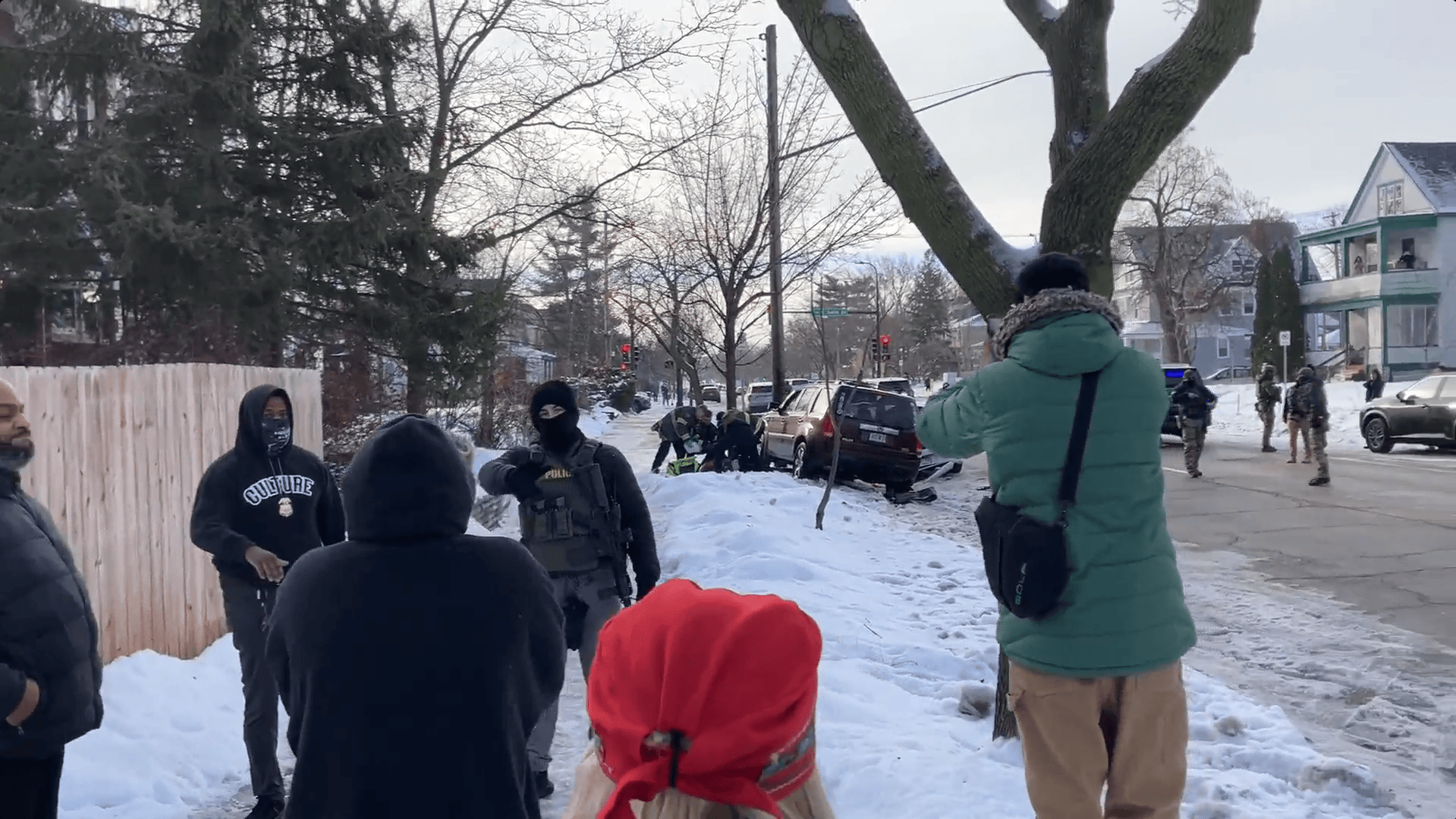
After what appeared to be a brief medical assessment, ICE agents left her bleeding and alone in the car for almost three minutes. They also turned away a man identifying himself as a physician who offered to help.
“Is somebody that’s medically trained pronouncing this woman dead?” the man asked, as agents swore at him and kept him back.
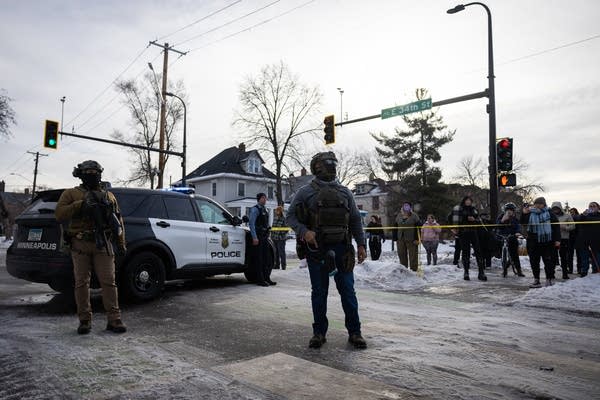
The analysis also shows that federal immigration officials waited nearly three minutes to contact emergency services in Minneapolis following the shooting. Having received calls from bystanders at that point, police, ambulance and fire crews were on their way but had difficulty reaching the scene because the street was filled with vehicles, many belonging to ICE.
“I'm just appalled by the lack of immediate first aid and initial resuscitation attempts,” said Adam Armbruster, a family medicine doctor who also works in the emergency room at Sleepy Eye Medical Center in southern Minnesota. “That’s the part that is, I would say, most inadequate to me.”
Macklin Good suffered bullet wounds in her chest, arm and possibly her head following the shooting, a report from the Minneapolis Fire Department showed. Those injuries may have been impossible to survive, but ICE’s use of force policy requires agents to obtain medical assistance “as soon as practicable.” And with grievous injuries like Macklin Good’s, time is of the essence, doctors and paramedics said.
“All ICE candidates are subject to months of rigorous training and selection at the Federal Law Enforcement Training Center where they are trained in everything from deescalation tactics, driving, firearms, and medical training,” wrote Tricia McLaughlin, the assistant secretary at the Department of Homeland Security, in response to an email seeking comment. “We do pray for the deceased and her family, and as well as for our officer and all affected in this situation.”
McLaughlin defended the ICE agents’ response, saying Macklin Good didn’t have a pulse. Medical professionals said if that were true, performing CPR would have been the next appropriate step.
CPR, or cardiopulmonary resuscitation, involves pressing down on a patient’s chest in order to keep their blood circulating and oxygen flowing to vital organs. CPR should be performed when a patient isn’t breathing or doesn’t have a pulse, according to the Mayo Clinic.
“CPR needs to be initiated immediately upon loss of pulse, if possible,” Armbruster said. That would mean removing Macklin Good from her vehicle and laying her on the ground.
When firefighters finally reached Macklin Good more than six minutes after the shooting, she wasn’t breathing. But they reported she did still have a pulse, albeit “thready and irregular.”
“Somebody with a thready or diminished pulse is not deceased, and to walk away from an individual at that point is somewhat mind-boggling,” Armbruster said.
MPR News and APM Reports built a second-by-second timeline from the moment Macklin Good was shot until she was transported to the Hennepin County Medical Center more than 20 minutes later.
Here are key moments from our analysis:
9:37:13 a.m. — ‘Shots fired’
Shots ring out on Portland Avenue in Minneapolis. Ross fires three times into Macklin Good’s car.
Her car careens across the street, and five seconds later, it crashes into two other cars and lightpole.
Ross is the first person to approach Macklin Good. He looks at her, then he walks away. As onlookers scream at him he says, “call 911.”
City records show three people who witnessed the shooting do that almost right away. Within a minute, one witness is on the phone with 911 saying, “send an ambulance please, ambulance please.”
However, it will be nearly three minutes after the shooting until someone from DHS contacts the city for medical help. By then, police, firefighters and ambulance crews are already en route to the scene.
9:38:52 a.m. — 1 minute, 39 seconds since the shooting
Two ICE agents carrying bags walk up to the car. They open the door and appear to assess Macklin Good.
9:40:08 a.m. — 2 minutes, 55 seconds since the shooting
A man across the street identifies himself as a doctor and offers to help. ICE agents prevent him from approaching Macklin Good.
“Stop the bleeding!” he shouts.
9:40:52 a.m. — 3 minutes, 39 seconds since shooting
Macklin Good is still in the driver's seat covered with blood. The ICE agents evaluating her close her car door and walk away.
“I don't know why you'd ever just shut the door,” said Wade Watson, a paramedic who also trains paramedics at Century College in White Bear Lake, “unless it’s a safety issue.”
“We basically say, if the patient is warm, that we would try to do any sort of life saving measures,” he said.
9:41:24 a.m. — 4 minutes, 11 seconds since the shooting
The man who says he’s a doctor is still offering to assist. He tries to approach Macklin Good now that the ICE agents assessing her have left her car.
“Is somebody that’s medically trained pronouncing this woman dead?” he asks.
Multiple ICE agents then yell “back the f--- up” and move towards the man, who puts his hands in the air and moves backward.
“[ICE] chose not to have a doctor on scene,” Watson said. “I don't care if he's a podiatrist or whatever, most of the time we would welcome them in until they become a hazard.”
9:43:34 a.m. — 6 minutes 21 seconds since the shooting
The first firefighter reaches Macklin Good’s car. They observe wounds to her head, chest and arm. Within a minute, firefighters get her out of her car onto the ground.
They report Macklin Good wasn’t breathing but had a “thready and irregular” pulse.
9:45:47 a.m. — 8 minutes, 34 seconds since the shooting
“Let the ambulances through,” screams Caitlin Callenson, who witnessed the shooting and recorded it and the aftermath with her phone. “Why can’t we let the ambulances through?”
Ambulances have had trouble getting through to the scene, because of all the vehicles in the road. Firefighters move Macklin Good to the corner of 34th and Portland, “for a more workable scene, better access for ambulances, and separation from an escalating scene involving law enforcement and bystanders,” according to their report.
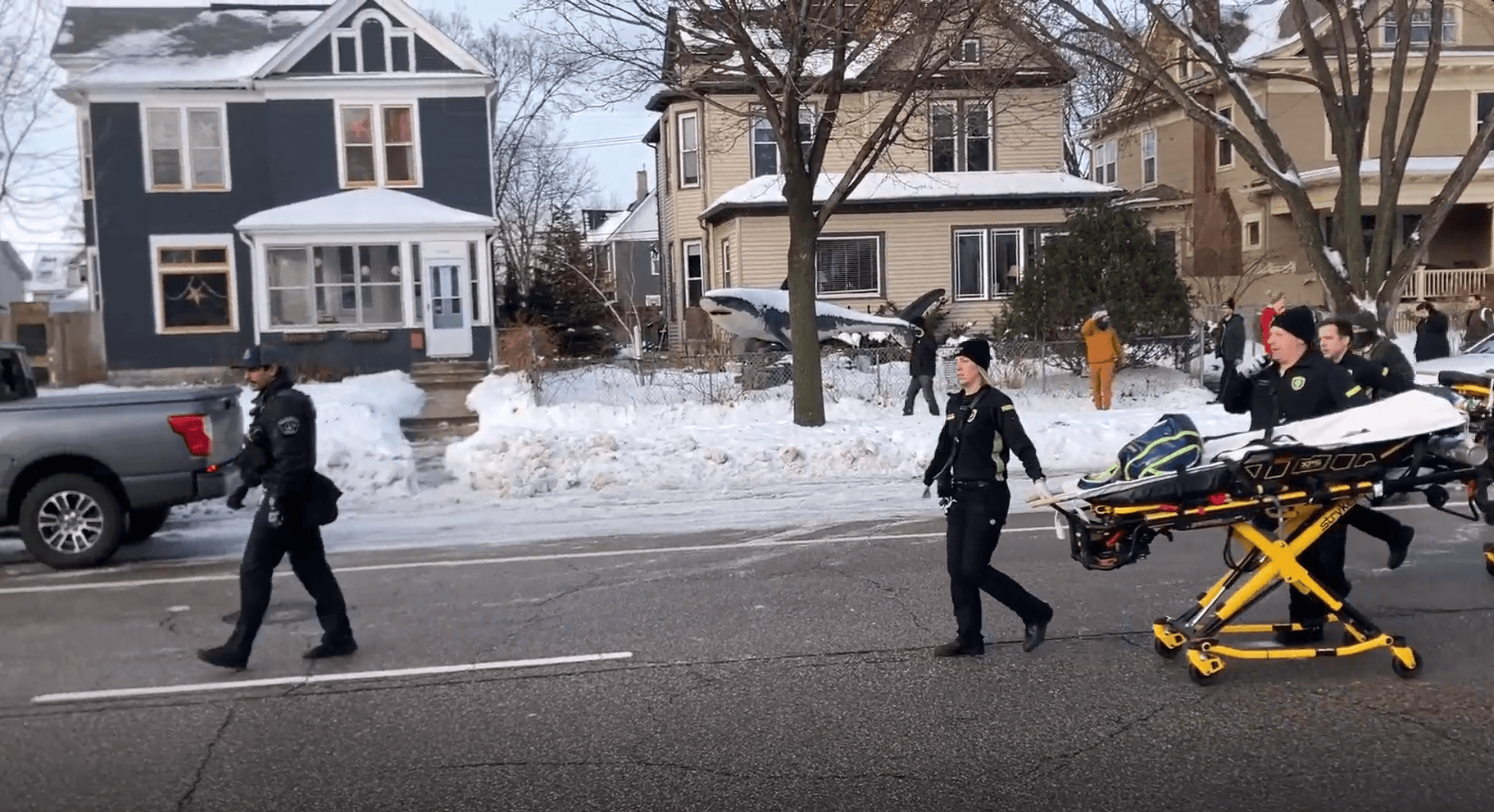
Now, Macklin Good has no pulse. Firefighters start CPR. It’s been more than ten minutes since the shooting. Paramedics reach the scene and assist.
Armbruster said the care the city’s first responders provided “is the care that I would expect to be initiated and started at the time of the assessment of the first medical professional or first medically trained person to arrive on the scene.”
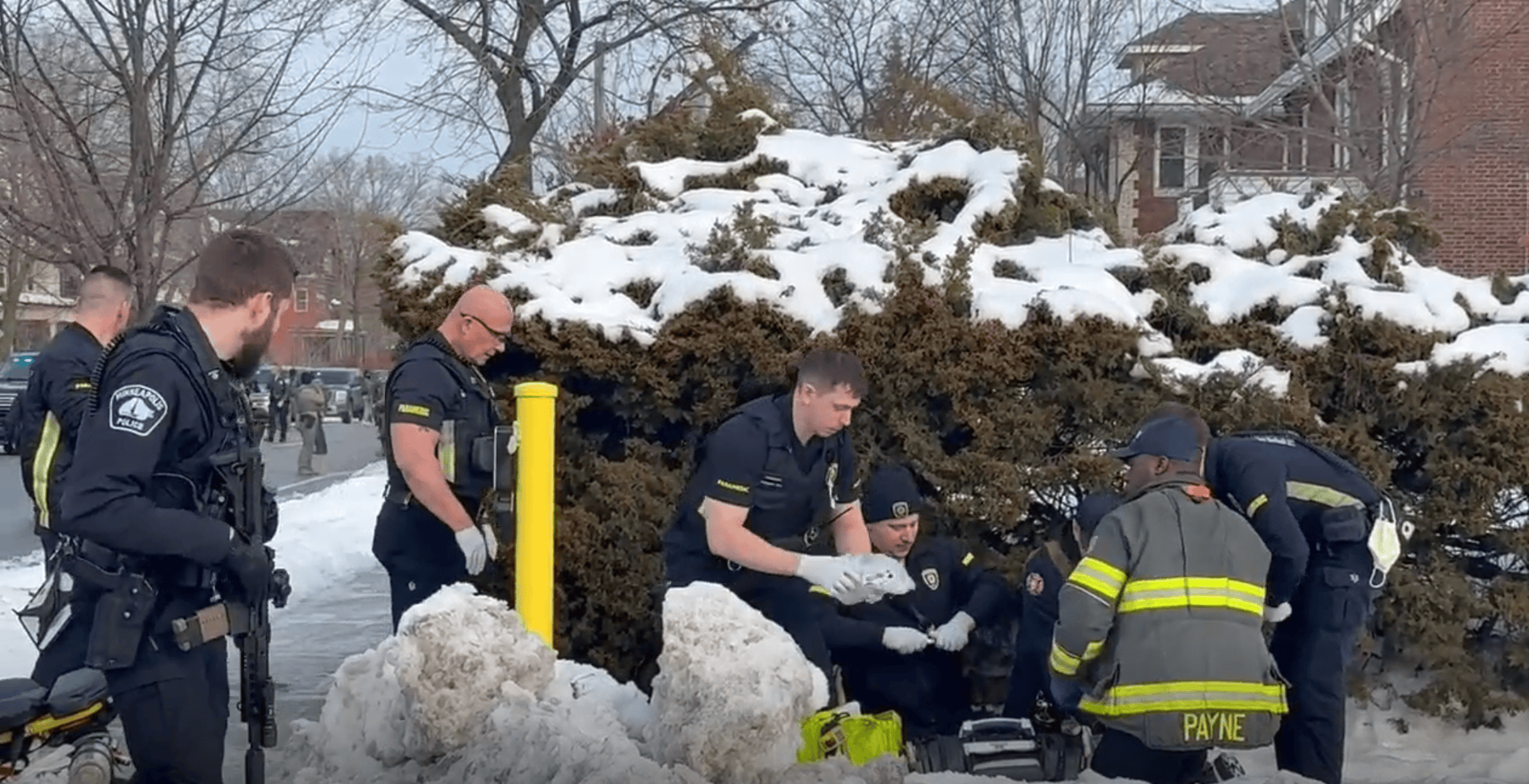
9:58:34 a.m. — 21 minutes, 21 seconds since the shooting
The ambulance rushes Macklin Good to Hennepin County Medical Center in downtown Minneapolis. Roughly half an hour later, nearly an hour after the shooting, hospital staff decide there is nothing left to be done and lifesaving efforts are stopped.